
Beyond the Beaches: How the FIDE World Cup 2025 is Making Goa a Global Hub for Sport Tourism
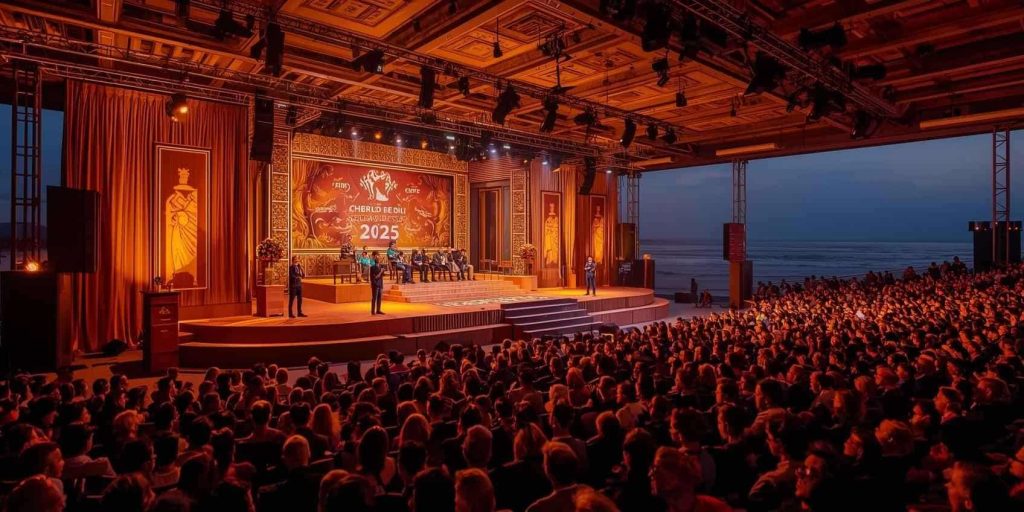
Goa has always been India’s postcard-perfect destination, a sun-drenched paradise synonymous with laid-back beach days and vibrant nightlife. But as November 2025 unfolds, a new kind of energy is electrifying the state. It’s the quiet, intense buzz of a global sporting spectacle—the FIDE World Cup 2025. The dazzling opening ceremony at the Dr. Shyama Prasad Mukherjee Indoor Stadium at the end of October has set the stage for a tournament that is drawing international attention, proving that Goa’s charm extends far beyond its stunning coastline.
 This isn’t just about chess; it’s about a fundamental shift in Goa’s identity. For years, the state has been celebrated as the “Beach Capital of India,” a well-deserved title. However, the government and local communities have been nurturing a vision for a more multifaceted destination—one built on culture, heritage, and unique global events. The arrival of the FIDE World Cup is a crowning achievement in this effort, placing Goa firmly on the map for international sport tourism. It showcases the state’s capacity to host world-class events while offering attendees an unparalleled travel experience. As chess grandmasters and fans from around the world converge here, they are discovering a Goa that is as much about strategic minds as it is about serene sunsets.
This evolution is happening at a time when Goa’s tourism is already experiencing a significant boom. The state has recorded an impressive 6.23% growth in tourist arrivals in 2025, fueled by increased international air connectivity and a growing appreciation for its diverse offerings. The FIDE World Cup adds a prestigious new layer to this growth, attracting a discerning global audience. For travelers planning a trip in November, this confluence of sport, culture, and peak tourist season creates a unique and unforgettable opportunity. You can spend your morning watching a thrilling chess match, your afternoon exploring a centuries-old Portuguese mansion in the Latin Quarters, and your evening enjoying fresh seafood at a beachside shack. It’s this blend of the cerebral and the serene that defines the new Goan experience.
A New Chapter for Goan Tourism
The decision to host the FIDE World Cup in Goa is a strategic masterstroke. It aligns perfectly with the state’s push towards “regenerative tourism”—a model that focuses on building a sustainable economy around community, culture, and environment. This event brings not just revenue but also global prestige. The influx of players, officials, and chess enthusiasts provides a significant boost to the hospitality sector, from luxury resorts to boutique hotels. Restaurants, taxi services, and local artisans all benefit from the increased footfall, creating a ripple effect across the local economy.
More importantly, it diversifies Goa’s appeal. While a family might come for the calm waters of Palolem Beach and a backpacker for the vibrant markets of Anjuna, a new demographic of traveler is now arriving: the sports tourist. These visitors are often here for a specific purpose—to follow the tournament—but are eager to explore everything else the region has to offer during their stay. They might take a heritage walk through Fontainhas, discover the lush post-monsoon beauty of the Bhagwan Mahavir Wildlife Sanctuary, or indulge in a culinary tour inspired by Goa’s growing reputation as a food capital. This fusion of interests enriches the tourism ecosystem and builds a more resilient, year-round destination.
Experiencing the World Cup Vibe
Even if you aren’t a chess aficionado, the atmosphere is contagious. The Dr. Shyama Prasad Mukherjee Indoor Stadium, located near Panjim, has become the epicenter of this global event. The area is buzzing with international visitors, media, and a palpable sense of excitement. You can feel the energy in the nearby cafes and restaurants, where conversations in a dozen languages drift through the air.
For those planning a visit, it’s the perfect time to explore the surrounding areas. Panjim, with its beautiful Latin Quarter (Fontainhas), offers a glimpse into Goa’s Portuguese past. You can wander through narrow, winding streets lined with colorful villas, visit historic churches, and relax at charming bakeries. The city’s Mandovi River waterfront is perfect for an evening cruise. With the tournament as your anchor, you can plan day trips to the historic churches of Old Goa, a UNESCO World Heritage site, or head to the nearby beaches of Miramar and Dona Paula.
The timing, in early November, is ideal. The monsoon has just ended, leaving the countryside lush and green. The weather is pleasant, with clear blue skies and calm seas, making it perfect for both sightseeing and beach activities. The tourist season is just beginning, so while the energy is high, the crowds are not yet at their peak. It’s a golden window to experience Goa at its best, with the added thrill of a world-class sporting event. This isn’t just a trip; it’s a chance to be part of a historic moment in Goa’s journey as a premier global destination.
