

Goan Culinary Tourism : More Than Just Fish Curry Rice: How Goa Became India’s Undisputed Culinary Capital
For decades, the mention of Goan food conjured up a very specific, delicious image: a steaming plate of fish curry rice, enjoyed at a humble beach shack with your feet in the sand. That iconic meal is still the heart of Goan cuisine, a dish that symbolizes the community’s spirit, the bounty of the sea, and the richness of its coconut groves. But in 2025, Goa’s culinary landscape has blossomed into something far more expansive and exciting. The state has officially stepped into the spotlight as India’s Culinary Tourism Capital, a title cemented by the recent NRAI Indian Restaurant Summit.
This isn’t just a fancy label. It’s a recognition of a vibrant, evolving food ecosystem that is now a primary reason travelers from around the world are booking a ticket to Goa. The culinary scene here is a thrilling journey—from generational family-run eateries serving secret recipes to chic, experimental restaurants helmed by celebrity chefs. The push from tourism leaders is clear: dining in Goa is not just about eating; it’s about experiencing heritage. Restaurateurs are being encouraged to create dedicated Goan sections on their menus, ensuring that authentic flavors are proudly showcased alongside global cuisines.
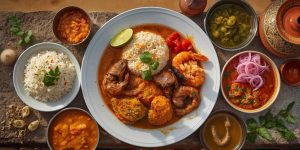 For the food-loving traveler, this means Goa is a paradise waiting to be tasted. November, with its perfect weather, marks the ideal time for a gastronomic adventure. The post-monsoon bounty means fresh ingredients are plentiful, and the reopening of seasonal shacks adds to the plethora of dining options. Whether you’re seeking the spicy kick of a Vindaloo, the tangy sweetness of a Sorpotel, or the delicate layers of a Bebinca, Goa’s culinary world is ready to welcome you with open arms and a full plate.
A Journey Through Goan Flavors
Goa’s cuisine is a rich tapestry woven from its Hindu roots, Portuguese colonial past, and coastal geography. Understanding these influences is key to appreciating the depth of its flavors.
-
The Portuguese Influence: Four centuries of Portuguese rule left an indelible mark on Goan food. This is most evident in dishes like Vindaloo, a spicy and tangy curry originally derived from a Portuguese dish of meat marinated in wine and garlic. In Goa, it was transformed with the addition of local chili and spices. Similarly, Chorizo (spelled Chouriço in Portuguese), a spicy pork sausage, is a beloved Goan staple, often sold at local markets and used in a “chouriço pao” (sausage bread). Sweets like Bebinca, a layered coconut milk pudding, also trace their origins to this era.
-
Konkan Coast Traditions: The foundation of Goan food is its Konkan heritage. The abundant use of coconut in its various forms (grated, milk, oil), rice, fresh seafood, and a specific blend of spices like tamarind and kokum defines this culinary style. The quintessential Fish Curry Rice is the perfect example of this tradition, balancing spice, tang, and the creaminess of coconut milk.
-
A Tale of Two Goas: The state’s cuisine also varies between North and South Goa, and between its Hindu and Catholic communities. Catholic cuisine often features more pork and beef, with a prominent use of vinegar. Hindu cuisine, on the other hand, is predominantly pescatarian and vegetarian, often using tamarind and kokum as souring agents instead of vinegar. Exploring both is essential for a complete culinary tour.
Where to Eat: From Shacks to Fine Dining
Goa’s dining landscape is as diverse as its dishes. Your culinary journey should include a mix of these experiences:
-
The Legendary Beach Shacks: An essential Goan experience. As the tourist season begins in November, shacks along beaches like Candolim, Baga, Palolem, and Agonda come to life. Here, you can enjoy the freshest catch of the day, grilled to perfection, alongside a cold beer and an unbeatable sunset view. It’s casual, affordable, and utterly unforgettable.
-
Authentic Local Eateries: To taste the real soul of Goa, venture away from the tourist hubs and into small, family-run restaurants in towns like Panjim, Margao, and Mapusa. These are the places where you’ll find the most authentic Vindaloo, Sorpotel, and Xacuti, often made from recipes passed down through generations.
-
Fine Dining and Modern Goan Cuisine: A new wave of chefs is redefining Goan food. Restaurants in areas like Assagao (often called the new ‘Goa’s culinary hub’) and Panjim are offering innovative menus that present traditional flavors in a modern context. These establishments blend local ingredients with global techniques, creating a sophisticated dining experience that is attracting food critics from around the world. The recent launch of high-end properties like Solene by the Isprava Group further signals this move towards luxury and gourmet experiences.
The rise of Goa as a culinary capital is a journey of flavor, heritage, and innovation. It’s an invitation to explore a culture through its food, to understand its history in every bite, and to create delicious memories that will last a lifetime.
