

As October deepens its embrace on Goa, the small state bursts into one of its most vibrant and visually spectacular celebrations known as Narkasur Dahan Goa. This unique tradition, marking the triumph of good over evil, takes place on the day before Diwali, locally known as Naraka Chaturdashi or Choti Diwali. But what makes this festival in Goa truly special is the grand, awe-inspiring burning of the Narkasur effigies — colossal demon sculptures that light up the night with fire, fireworks, music, and merriment like nowhere else.
This year, on October 20, 2025, visitors and locals alike will once again witness the streets of Old Goa, Panaji, Saligao, and villages across the state come alive with the fiery spectacle of Narkasur Dahan, a night of cultural pride, creativity, and celebration that has become a viral sensation on social media and a must-experience event for travelers.
The Mythology Behind Narkasur: Why Goa Celebrates Differently
Unlike the rest of India, where Diwali often commemorates Lord Rama’s return to Ayodhya, Goa’s version of Diwali centers on the legend of Lord Krishna’s victory over the demon king Narakasura (locally called Narkasur). According to Goan lore, Narakasura was a fearsome demon who ruled Goa with cruelty, keeping thousands of women captive and spreading terror. His defeat by Krishna and his consort Satyabhama symbolizes the vanquishing of darkness and evil from the land.
The celebration of Narkasur Dahan is not just a festive ritual but a reenactment of this epic battle. The demon king’s massive effigies are painstakingly crafted by young men in local communities. Constructed with bamboo frames, stuffed with hay, and dressed in vibrant paper costumes, the effigies are brought to life with drumbeats and dance as they parade through village streets before being set ablaze at midnight.
The burning of the effigies symbolizes the cleansing of the world from wickedness and the renewal of hope and light as Diwali approaches. This tradition illustrates the triumph of righteousness and is deeply embedded in Goan cultural identity.
How the Narkasur Effigies Are Made: Crafting Symbols of Evil to Defeat
The preparation for Narkasur Dahan begins days before the event. Neighborhoods, known as waddos, come alive with the creative energy of youngsters who collaborate to design their demon king. Each effigy — some towering up to several meters — is constructed from wooden poles, bamboo strips, and an iron framework for larger models.
The inside hollow structure allows a person or two to slip inside and animate the demon, bringing it to life with rhythmic movements and sometimes small built-in fireworks or crackers that ignite at the effigy’s burning.
Effigies are elaborately decorated with colourful papers, paint, scary faces, fake swords, jewelry, and turbans, reflecting both traditional demon imagery and often topical themes such as political satire or social messages. This mixture of tradition and contemporary creativity adds a modern touch to the age-old ritual.
Communities compete for the best effigy prize, turning the event into a friendly rivalry that fuels craftsmanship, teamwork, and local pride. The entire process fosters strong community bonds as the wards prepare for this unforgettable night.
 The Night of Narkasur Dahan: What to Expect as a Visitor
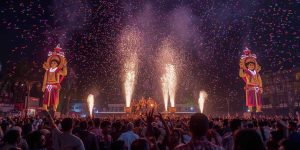
On October 20th night, as the sun sets, the atmosphere in towns and villages transforms into a festival of lights, sounds, and flames. Streets brim with locals and tourists gathering to watch the parades carrying the Narkasur effigies.
Amid the electrifying sound of drums, the effigies are taken on a grand procession, halting under street lamps and at temples where firecrackers explode, and the demon effigy dances in a ritualistic performance. At midnight, the climax unfolds as the effigies are set on fire, often accompanied by fireworks and cheers, filling the dark skies with incandescent light.
Visitors have a distinctive chance to join spontaneous celebrations, witness traditional dances, and savor local street foods like hot Goan samosas, pumpkin sweets, and the ever-famous Feni—a local cashew or coconut spirit that warms the festive spirit.
The event’s intensity gives way to warm sociability and a sense of renewal, as everyone prepares for Diwali’s days of light and joy to follow.
More Than Just a Burning Effigy: The Deeper Cultural Impact
Narkasur Dahan is a vivid expression of Goa’s cultural heritage. The event strengthens community ties as multiple generations partake in the preparations, storytelling, and festivities. The evening serves as a living history lesson, connecting locals and tourists alike to ancient myths through engaging and immersive experiences.
Moreover, the event is a key annual attraction that brings in tourism at the cusp of the festive season. Governments and local businesses capitalize on this spike to promote crafts, hospitality, and regional cuisines.
Tips for Tourists to Make the Most of Narkasur Dahan
-
Where to Go: Old Goa, Panaji, Saligao, Margao, and villages such as Palolem and Devbag are hotspots for spectacular Narkasur Dahan events.
-
When to Arrive: Come early in the evening to secure a good viewing spot and soak in the pre-festival atmosphere.
-
Local Cuisine: Try special festival treats sold near the event—especially Goan sweets, spicy snacks, and a glass of Feni.
-
Accommodation: Book in advance at local homestays or boutique hotels for an immersive experience.
-
Etiquette: Respect local customs, avoid touching the effigies, seek permission before photos, and enjoy the festivities with open hearts.
-
Safety: Be cautious around fire and fireworks and keep children close.
Beyond Narkasur: What Else October Means in Goa
While Narkasur Dahan is the spectacular highlight, October offers many more charms: pleasant weather after the monsoons, reopening of beach shacks with fresh seafood, flea markets filled with Goan crafts, and quieter crowds than the peak season. Travelers get the magical mix of cultural depth, natural beauty, and warm hospitality before the Diwali light show officially begins.
Conclusion: Why Narkasur Dahan Should Be on Your Goa Travel List
Narkasur Dahan is not just a festival; it is a mesmerizing cultural phenomenon that embodies Goa’s spirit of joy, creativity, and community. It presents a rare chance to witness a living ancient myth and partake in a night where tradition literally lights up the darkness. For any traveler seeking more than typical beach holiday fare, this event offers profound meaning, eye-popping visuals, and boundless warmth.

